
Why does testosterone drop with age?
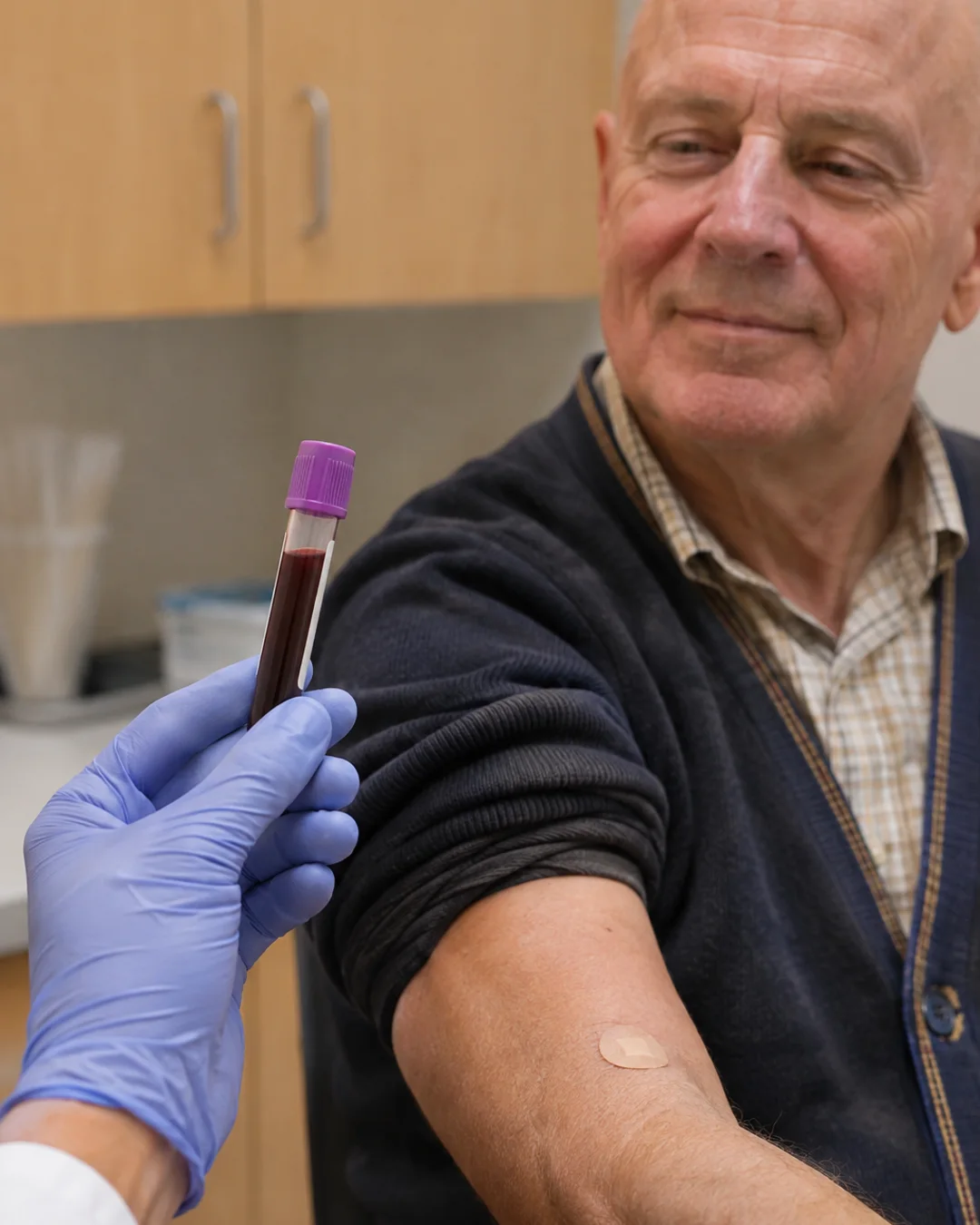
Readers usually ask this when they wonder whether a falling number is normal for their age. Two named sources describe the pattern, and a third set of pages covers testing and treatment.
A slow decline that begins in the 30s
Healthline says testosterone levels in people assigned male at birth remain fairly constant from the start of puberty, when levels spike, until a person's 30s, when they slowly begin to decline.
It adds that testosterone typically decreases as you age, particularly in people assigned male at birth.
How large the yearly drop is
The Endocrine Society puts a figure on it. It says testosterone levels naturally decrease by 1% each year after age 30, though they do not severely deplete, even in advanced age.
Where testing and treatment questions fit
A gradual decline is the pattern these sources describe. Whether a particular result is low for a particular person is a different question, and it belongs with a clinician.
The MedlinePlus testosterone levels test page covers the blood test. The National Library of Medicine (PMC) article on hypogonadism in the aging male covers diagnosis, potential benefits and risks of testosterone replacement therapy. WebMD has a page on low testosterone therapy risks and benefits.
If your own numbers are on your mind
Note your age, your symptoms and any earlier results, and bring them to an appointment. Ask whether your result fits the slow decline above or needs a closer look.
Age and place in Westfield
Readers across this publication's region, from Westfield to Short Hills, share the same starting point: age sets a gentle slope, and timing of a test and a visit is yours to choose.